KASODI GUIDE
Small Details That
Change a Room
A room does not always need a dramatic makeover. Sometimes a few thoughtful details are enough to change the way the entire space feels.
01
Start with what the eye notices first
Every room has places where the eye naturally pauses — a console, a bedside table, an empty corner of a shelf or the surface of a chest of drawers. These small areas are often the easiest places to introduce character without changing the entire room.
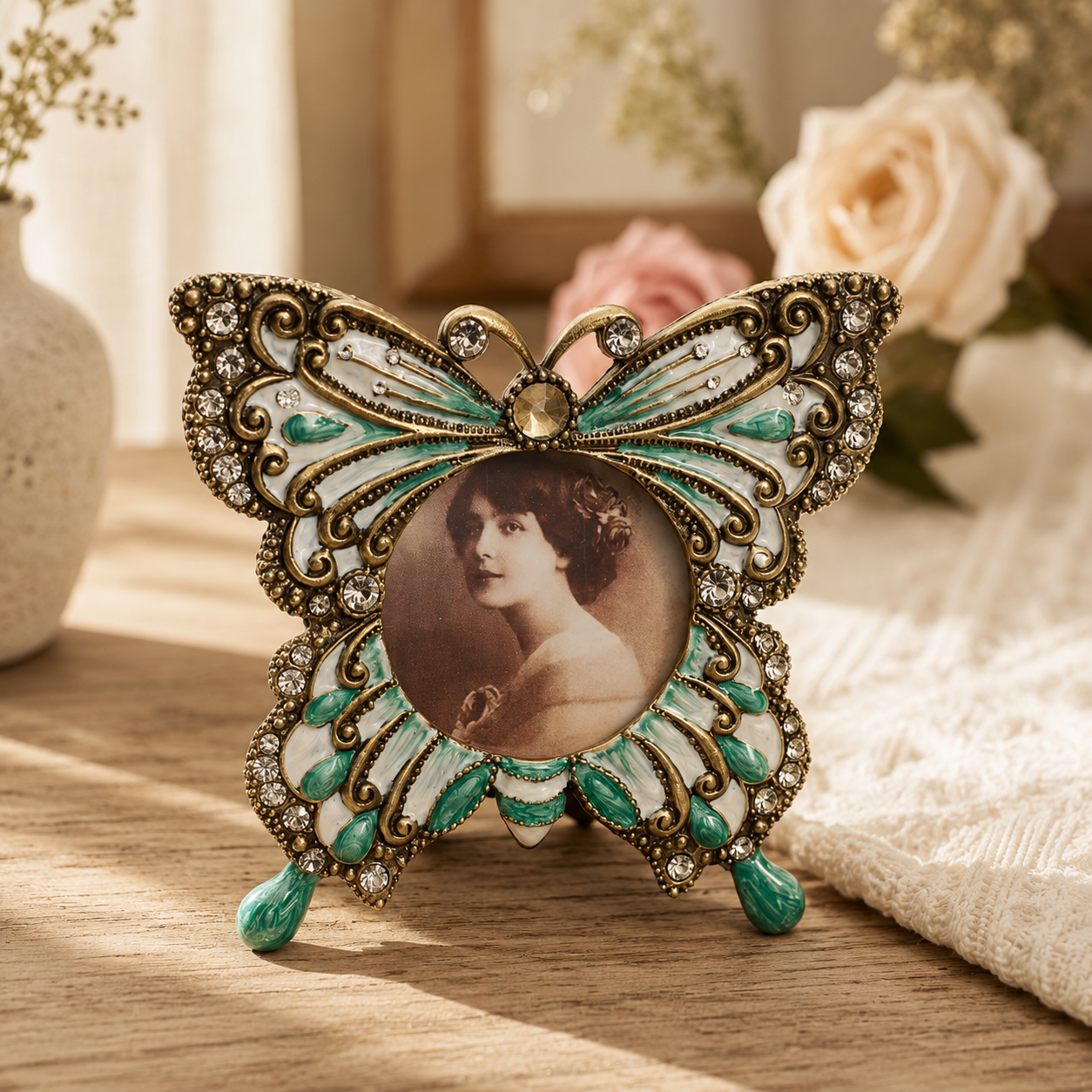
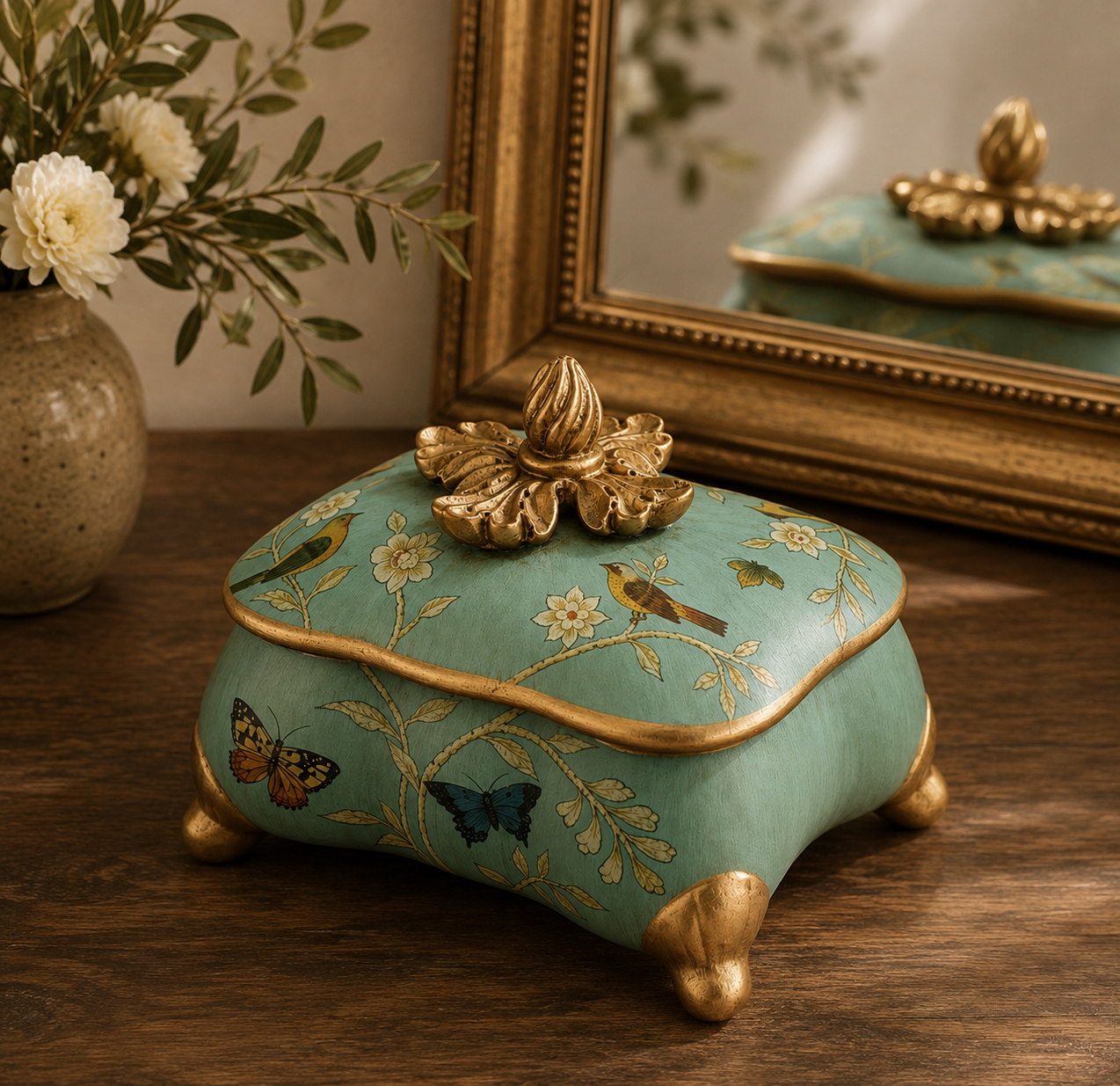
Choose one object with enough presence to become a quiet focal point. It might be an unusual frame, a sculptural vase, a decorative box or a piece of glass that catches the light. The object does not need to be large; it simply needs a shape, texture or detail worth noticing. Give it a little space rather than filling the surface around it.
02
Give everyday surfaces some character
The surfaces we use every day are easy to overlook, yet they have a surprisingly strong influence on how a room feels. A bedside table, bathroom counter or small shelf can become more considered with just two or three objects.
Try combining different heights and materials: a decorative box beside a small book, a ceramic object next to glass, or something patterned against an otherwise quiet background. The composition does not need to be perfectly balanced. A slightly irregular arrangement often feels more natural, especially when the objects are useful as well as beautiful.
03
Change the atmosphere with light
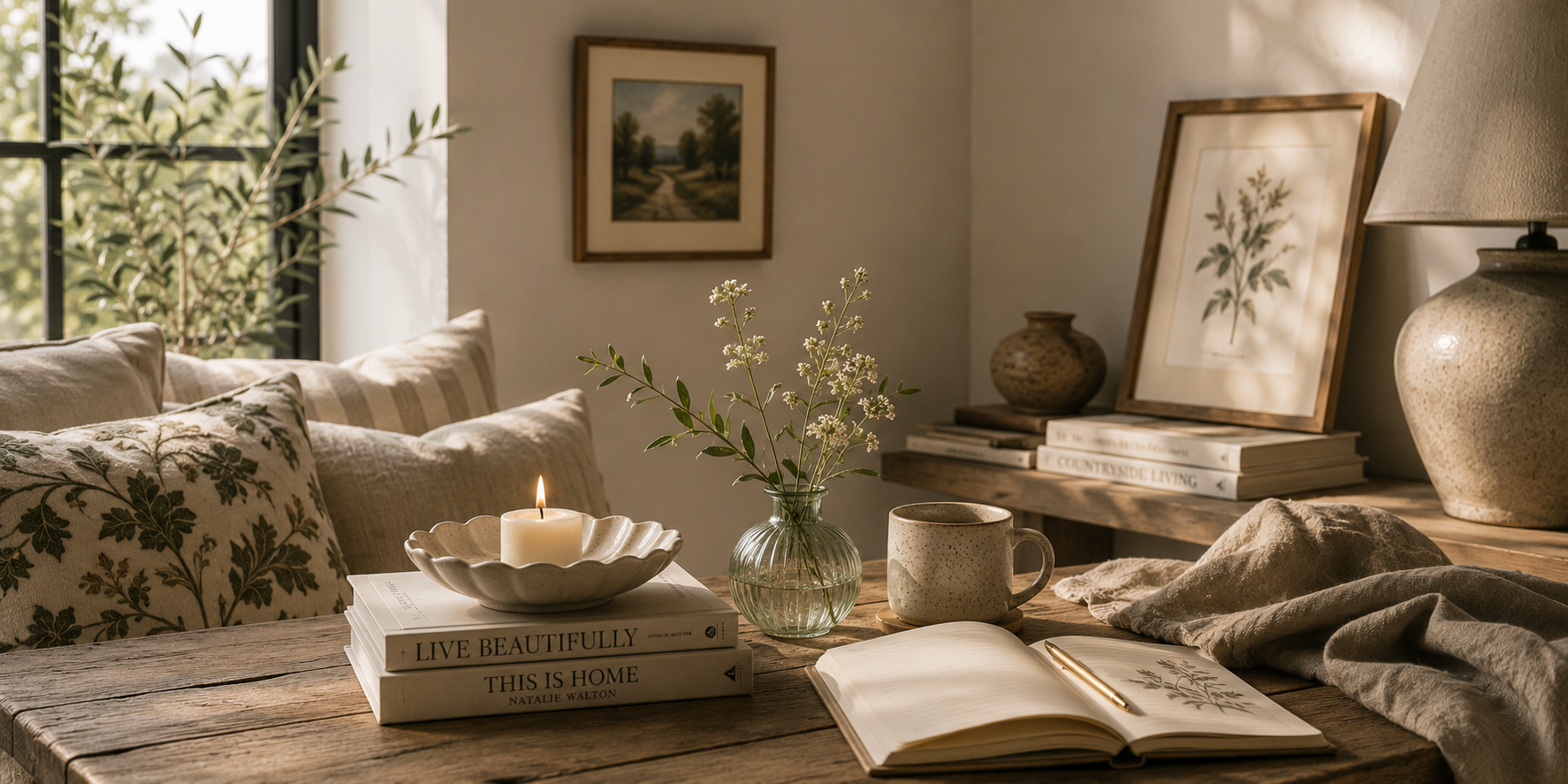
Light can change a familiar room more quickly than almost anything else. During the day, allow natural light to create shadows across textured surfaces, glass and ceramics. In the evening, smaller pools of warm light can make the same space feel softer and more intimate.
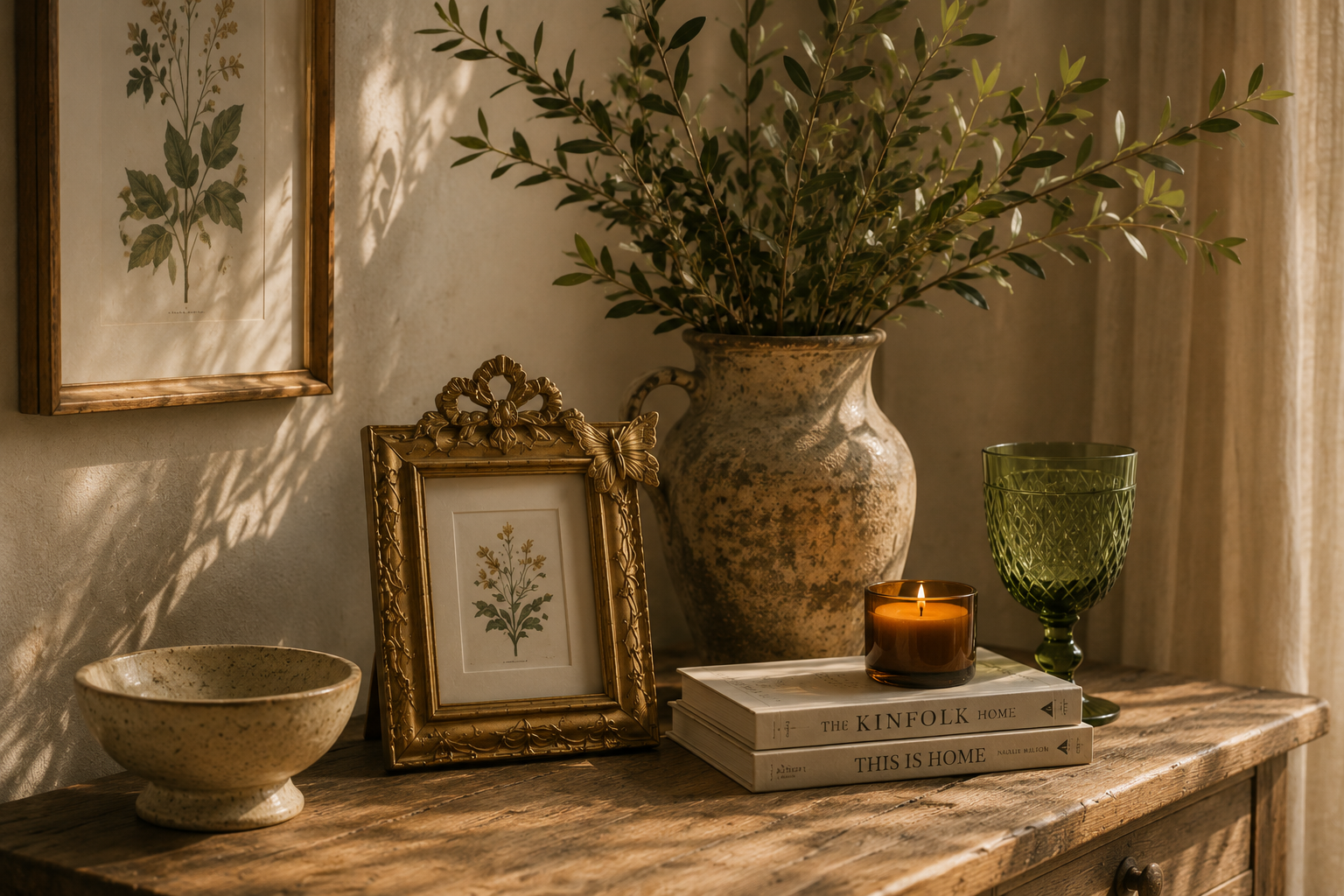
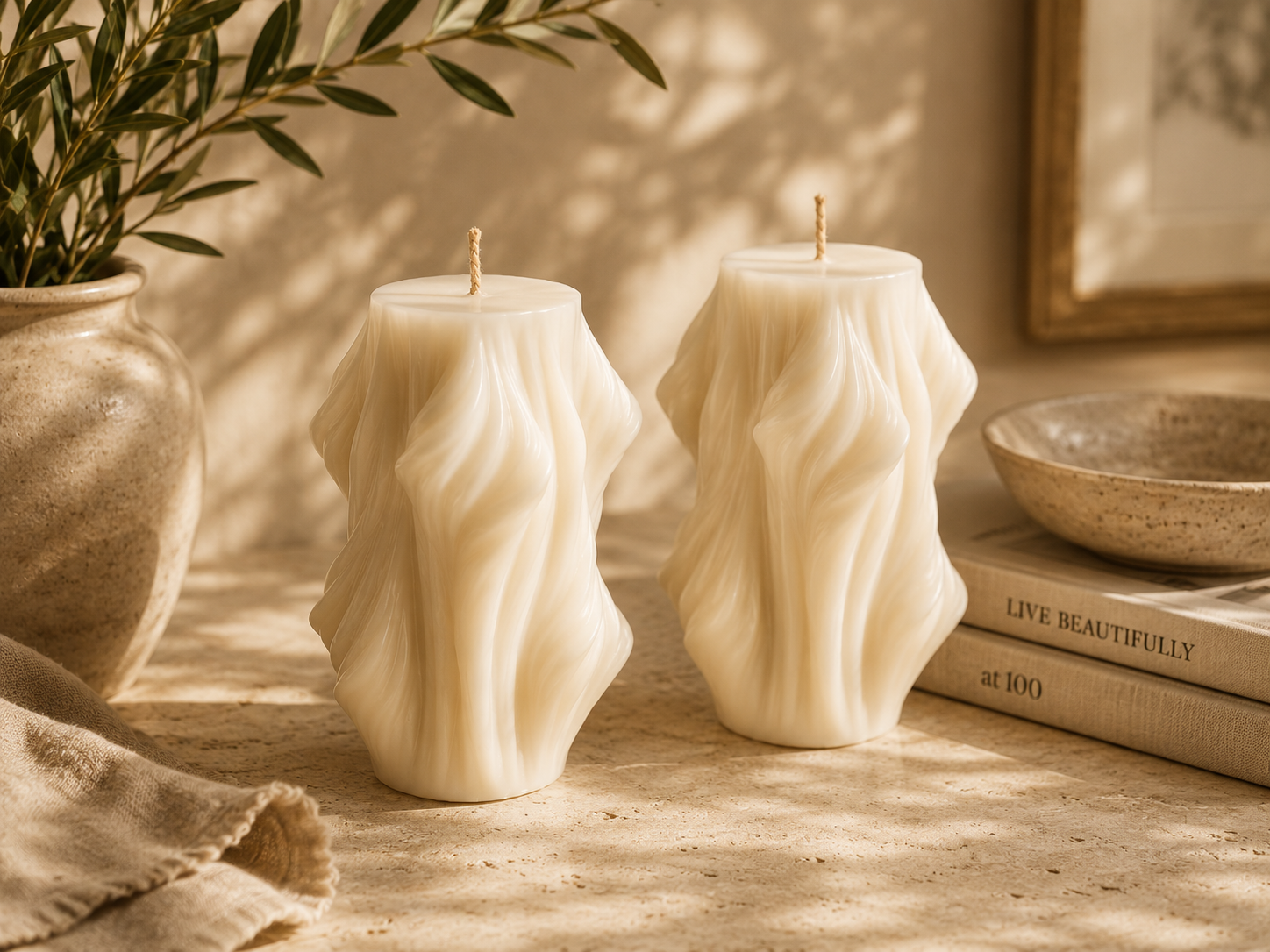
Candles are especially effective because they introduce both light and movement. Even unlit, a sculptural candle can work as a decorative object; once lit, it changes the atmosphere completely. You do not need many — one or two carefully positioned sources of warm light are often enough.
04
Add softness through textiles
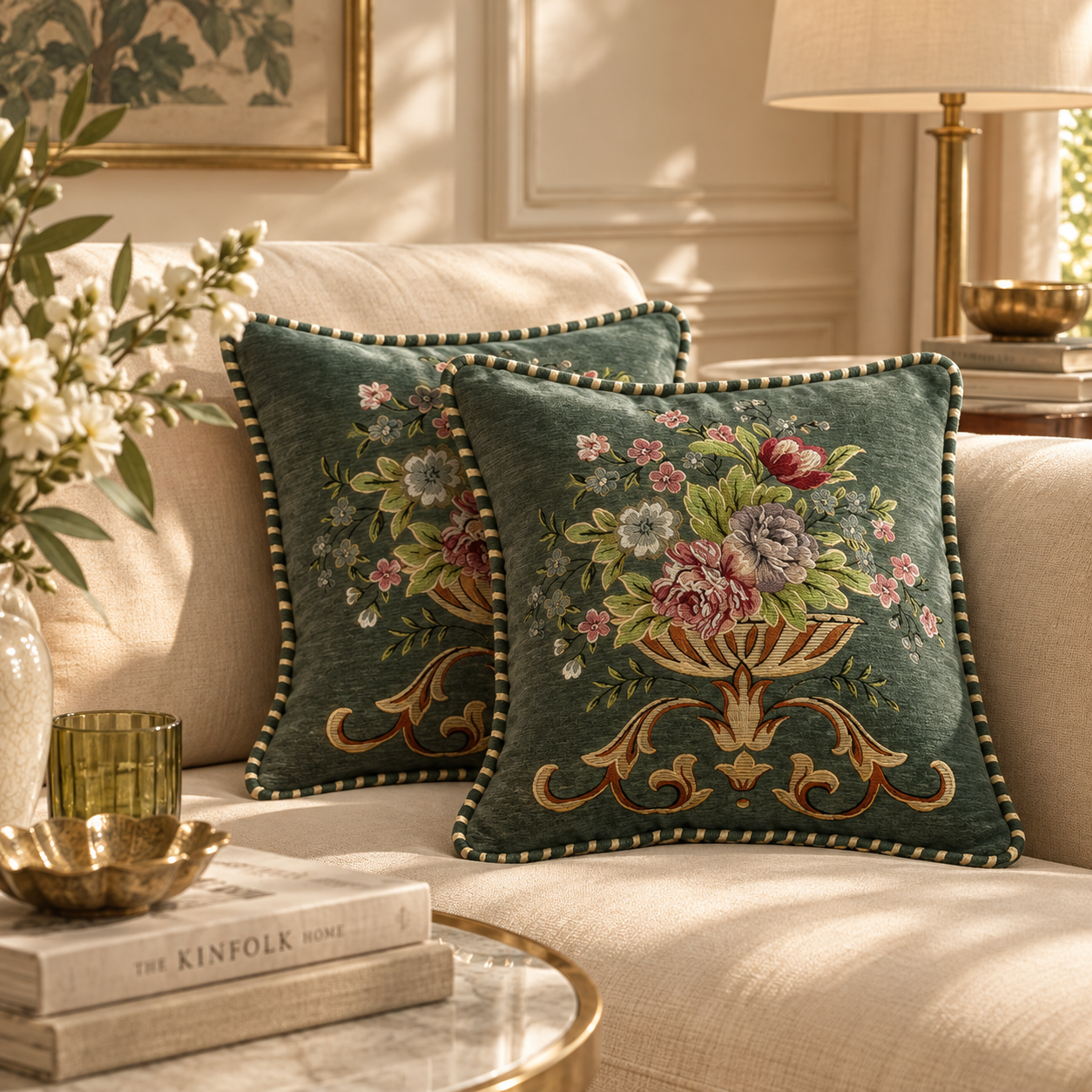
Textiles are one of the easiest ways to change a room without changing its furniture. A patterned cushion can introduce colour to a neutral sofa, while embroidery or visible weaving brings texture to a space that feels too smooth or minimal.
Avoid making every cushion match. Combining one distinctive design with quieter pieces usually feels more collected and relaxed. The same idea works with throws and linen. Allow fabrics to look comfortable rather than perfectly arranged — softness should make the room feel easier to live in, not more formal.
05
Leave something unexpected
The rooms we remember usually contain something we did not expect to see. It might be an ornate vintage-inspired frame in an otherwise simple interior, a botanical pitcher used as a vase, coloured glass among neutral ceramics or a small decorative object with an unusual shape.
There is no need to create several statements at once. One surprising object is often enough. Let it sit naturally among quieter pieces and allow the contrast to do the work. The most personal homes are rarely perfectly coordinated — they contain things chosen because someone genuinely liked them.
KASODI EDIT
Pieces for the Look
Three distinctive details that can bring character, atmosphere and softness into a room.
THE KASODI APPROACH
Change the feeling of a room
before changing the room itself.
Notice the surfaces, textures, light and small objects already around you. Often, a thoughtful detail is enough to make a familiar space feel new.